


Disclosure: This post contains affiliate links. If you book or buy through our links, we may earn a small commission at no extra cost to you. We only recommend services we trust and use ourselves. Thank you for supporting Travel with Save!
Best Time to Visit Bali: Month-by-Month Weather, Crowds, and Prices
Bali is one of those destinations that feels almost too good to be true — lush temples, turquoise surf, cheap eats, and a spiritual energy that’s genuinely hard to describe. But here’s what the Instagram highlights don’t tell you: timing your trip to Bali can be the difference between a dream vacation and a soggy, overpriced disappointment. The island has two very distinct seasons, and knowing which one fits your budget and travel style is the single most important planning decision you’ll make.
Whether you’re chasing perfect surf, trying to dodge the peak-season price spikes, or hoping to catch a traditional Balinese festival, the month you choose matters enormously. Choosing the best time to visit Bali can save you hundreds and transform the trip. In this guide, we break down Bali weather by month, compare the dry season and rainy season, highlight festival dates, and share honest cost estimates so you can plan a trip that’s genuinely affordable — not just cheap on paper.
By the end of this article, you’ll know exactly when to book flights, when to avoid Bali entirely if you hate crowds, and how to save hundreds of dollars by choosing the right travel window. Let’s dig in.
Bali’s Two Seasons at a Glance
Bali sits just 8 degrees south of the equator, which means it’s warm year-round — temperatures hover between 75°F and 95°F (24°C–35°C) regardless of the month. What changes dramatically is rainfall and humidity. Bali operates on two seasons: the dry season from roughly April through October, and the rainy season from November through March.
Quick Comparison: Dry Season vs. Rainy Season
| Factor | Dry Season (Apr–Oct) | Rainy Season (Nov–Mar) |
|---|---|---|
| Rainfall | Low to none | Heavy, often daily |
| Humidity | Moderate | High |
| Crowds | High (peak in Jul–Aug) | Low to moderate |
| Hotel Prices | $25–$120+/night | $15–$70/night |
| Flight Prices | Higher | Lower |
| Best For | Beaches, trekking, surfing | Budget travel, culture |
Bali Dry Season Travel: April Through October
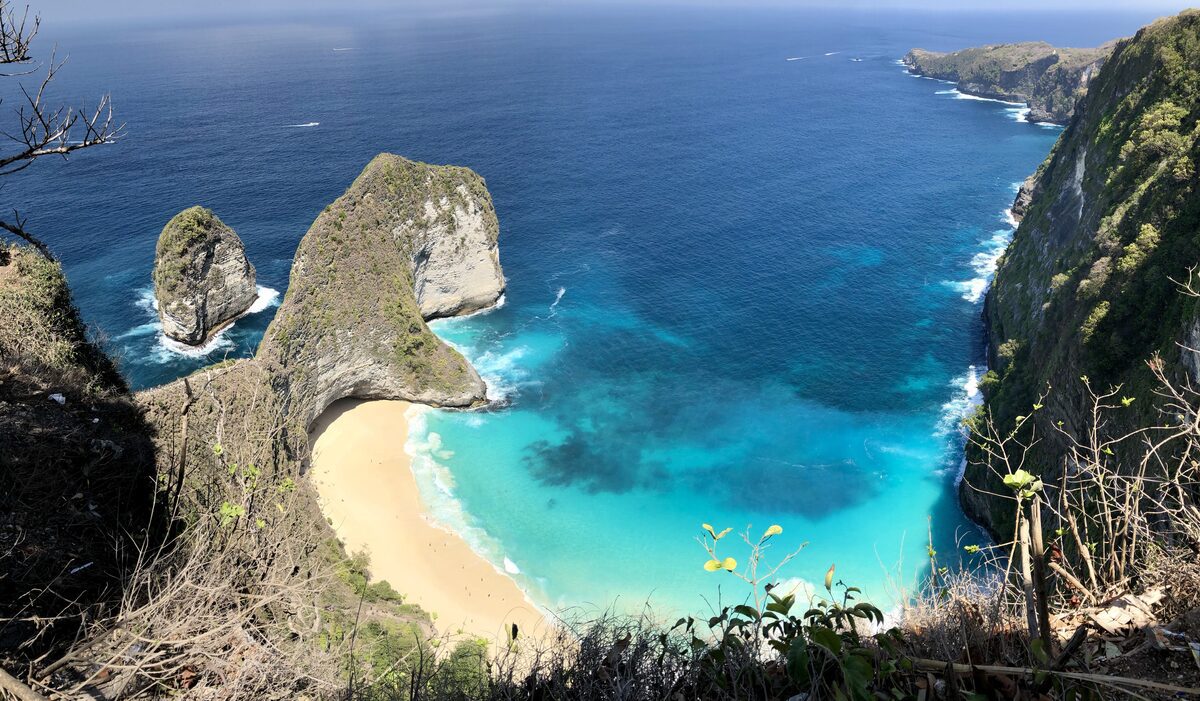
The dry season is Bali’s most popular travel window, and for good reason. Compare Bali tours and day trips to book highlights like Uluwatu and the rice terraces ahead. Skies are reliably blue, humidity drops to comfortable levels, and outdoor activities — from hiking Mount Batur to snorkeling off Nusa Penida — are at their best. If this is your first trip to Bali, the dry season is the safest bet for guaranteed good weather.
What to Expect and What It Will Cost
Budget accommodation in popular areas like Seminyak, Ubud, and Canggu runs $20–$50 per night for a clean guesthouse or budget hotel during the shoulder months of April, May, and September. In peak months (July and August), those same rooms can jump to $60–$100 or more. Street food and warungs (local eateries) remain cheap year-round — expect to spend $3–$6 per meal if you eat where locals eat. A daily budget of $50–$70 is very achievable during shoulder dry season months.
For accommodation, we recommend searching on a hotel-booking site and filtering by guest rating above 8.0 to find reliable budget stays without surprises.
Bali Rainy Season: November Through March
The rainy season gets a bad reputation, but budget travelers who know how to work it can save 30–50% on accommodation and flights compared to peak season. Rain typically comes in short, intense afternoon bursts rather than all-day downpours. Mornings are often clear, giving you several usable hours for sightseeing before the skies open up.
Budget Advantages of Visiting in the Wet Season
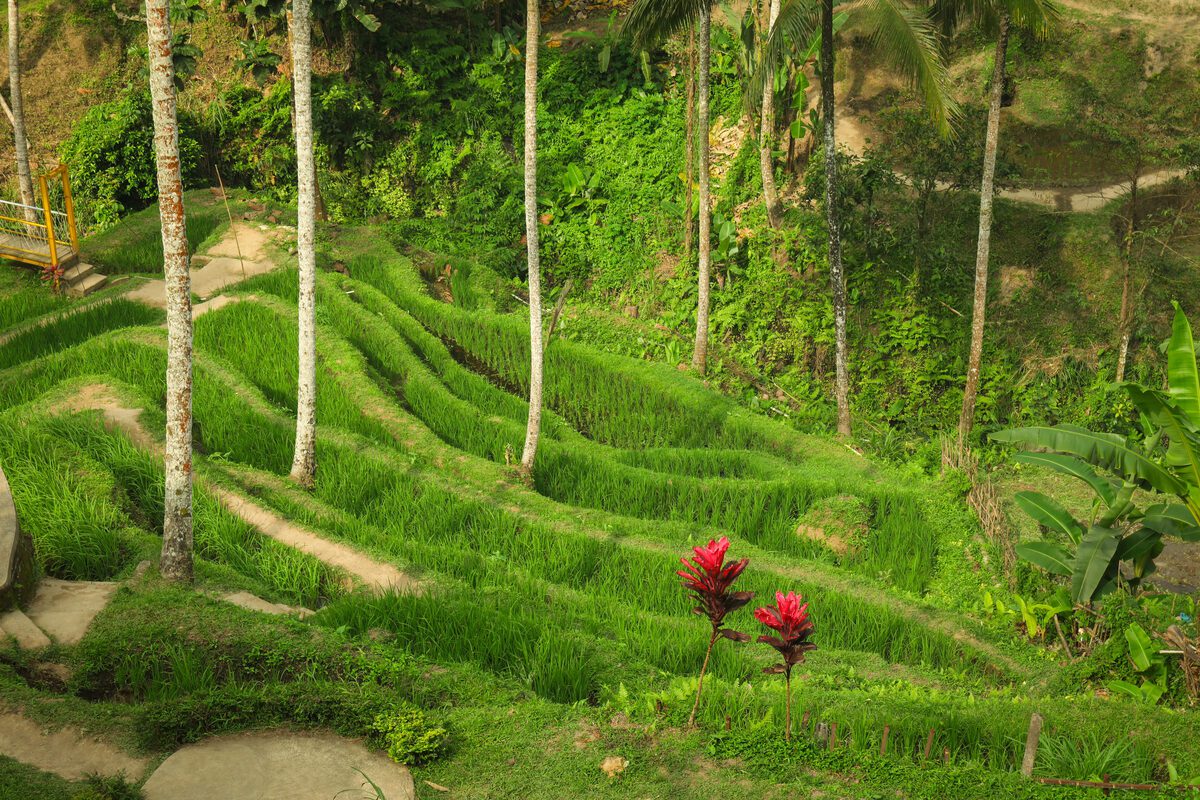
This is when Bali’s rice terraces turn their most vivid green, waterfalls run at full power, and tourist sites like Tegallalang and Tanah Lot are noticeably less crowded. Budget guesthouses in Ubud drop to $15–$30 per night. Round-trip flights from major U.S. cities can dip $200–$400 lower than peak-season fares. The tradeoff is that beach days are less reliable, and some boat trips to nearby islands (Nusa Lembongan, Nusa Penida) get canceled due to choppy seas.
To protect your trip investment during rainy season, always purchase travel insurance. We use SafetyWing Travel Insurance — it’s affordable (starting around $1.50/day for budget travelers) and covers trip interruptions and medical emergencies.
Bali Weather by Month: A Full Breakdown
Understanding Bali weather by month helps you pinpoint the sweet spot between good conditions and lower costs. Here’s an honest, month-by-month look at what you’ll actually experience.
January and February
Peak rainy season. Expect heavy afternoon showers and high humidity. These are among the cheapest months to visit — budget rooms can be found for $15–$25/night in Ubud. January also brings Nyepi (Balinese New Year) preparations, which is a fascinating cultural experience. Nyepi itself falls in March or April depending on the lunar calendar, but the lead-up events start earlier.
March
Still rainy but tapering off toward the end of the month. March is when Nyepi (the Day of Silence) often falls — the entire island shuts down for 24 hours, including the airport. It’s a bucket-list cultural experience, but plan carefully as you won’t be able to travel on that day. Accommodation prices begin creeping up slightly as dry season approaches.
April and May
The transition into dry season. These are arguably the best months for budget travelers — weather is good, crowds are manageable, and prices haven’t hit peak levels yet. Expect to pay $20–$45/night for a solid guesthouse. Daily budgets of $45–$60 are realistic.
June
Solidly dry, with increasing tourists as European summer holidays begin. Still a strong value month before the July–August surge. Prices are moderate — budget rooms run $25–$55/night.
July and August
Peak season. This is Bali at its most crowded and most expensive. Kuta Beach is packed, popular restaurants have queues, and budget accommodation books out weeks in advance. That said, weather is excellent. If you must travel now, book 2–3 months ahead and set price alerts on a flight comparison site to lock in the best airfare. Budget rooms start at $40–$60/night, with mid-range options easily hitting $100+.
September and October
The sweet spot for many experienced Bali travelers. Crowds thin out after August, prices drop noticeably, but the dry weather holds. September and October are consistently recommended as the best overall value months. Budget accommodation falls back to $20–$45/night, and you’ll find fewer tourists at major temples and rice terraces.
November and December
Rainy season returns in November. December brings a surge of holiday travelers around Christmas and New Year’s Eve — prices spike significantly in the last two weeks of December, rivaling peak-season rates. If you travel in early to mid-December, you can still find good deals before the holiday rush hits.

Best Time for Bali Festivals and Cultural Events
One of the most underrated reasons to time your Bali trip carefully is the island’s rich calendar of Hindu festivals and cultural ceremonies. These events are free to observe, deeply authentic, and completely unlike anything you’ll find at a tourist attraction.
Key Festivals to Plan Around
Nyepi (Day of Silence): Falls in March or April based on the Saka lunar calendar. The entire island goes dark and silent for 24 hours. The night before, massive ogoh-ogoh parade floats are carried through the streets — a spectacular and completely free spectacle. Galungan and Kuningan: Celebrated every 210 days on the Balinese calendar, these 10-day festivals honor ancestral spirits. You’ll see bamboo penjor poles lining every road. Bali Arts Festival: Held in Denpasar every June and July, this month-long festival features traditional dance, music, and crafts — most events are free or cost under $5 to attend.
Best Areas to Stay in Bali by Season
Where you stay in Bali should partly depend on when you visit. Each area has a different character, price point, and suitability depending on the season.
Neighborhood Price Guide
Ubud: The cultural heart of Bali, surrounded by rice terraces and jungle. Best year-round but especially good in rainy season when greenery peaks. Budget guesthouses: $15–$35/night. Canggu: Trendy surf and digital nomad hub. Dry season is best for surfing. Budget homestays: $20–$45/night. Seminyak and Kuta: Beach-focused, busiest in dry season. Budget options exist but are harder to find — expect $25–$55/night minimum in peak months. Amed and Lovina: Quieter, less touristy, great for diving and snorkeling. Prices are lower year-round — budget rooms as low as $15–$25/night.
Use a hostel-booking site to find well-reviewed budget dorms and private rooms in all of these areas, with verified guest reviews you can trust.
How to Save on Flights to Bali
Flights are typically the biggest expense in any Bali trip. A Wise travel money card helps you draw rupiah at fair rates and skip ATM fees on arrival. From the U.S. West Coast, round-trip fares range from $650 in low season to $1,100+ in peak season. From the East Coast, add roughly $100–$200. From Australia, budget airlines regularly offer fares under $200 round-trip.
Flight Booking Strategies That Actually Work
Book 8–12 weeks ahead for dry season travel and 4–6 weeks ahead for rainy season. Use a flight comparison site to search “whole month” views and identify the cheapest travel dates at a glance. Flying into Denpasar (DPS) via a hub like Singapore, Kuala Lumpur, or Tokyo often yields cheaper fares than direct routes. Consider positioning flights — flying to a cheaper hub first can save $150–$300 on the total fare.
Crowds and Tourist Peaks: When to Avoid Bali
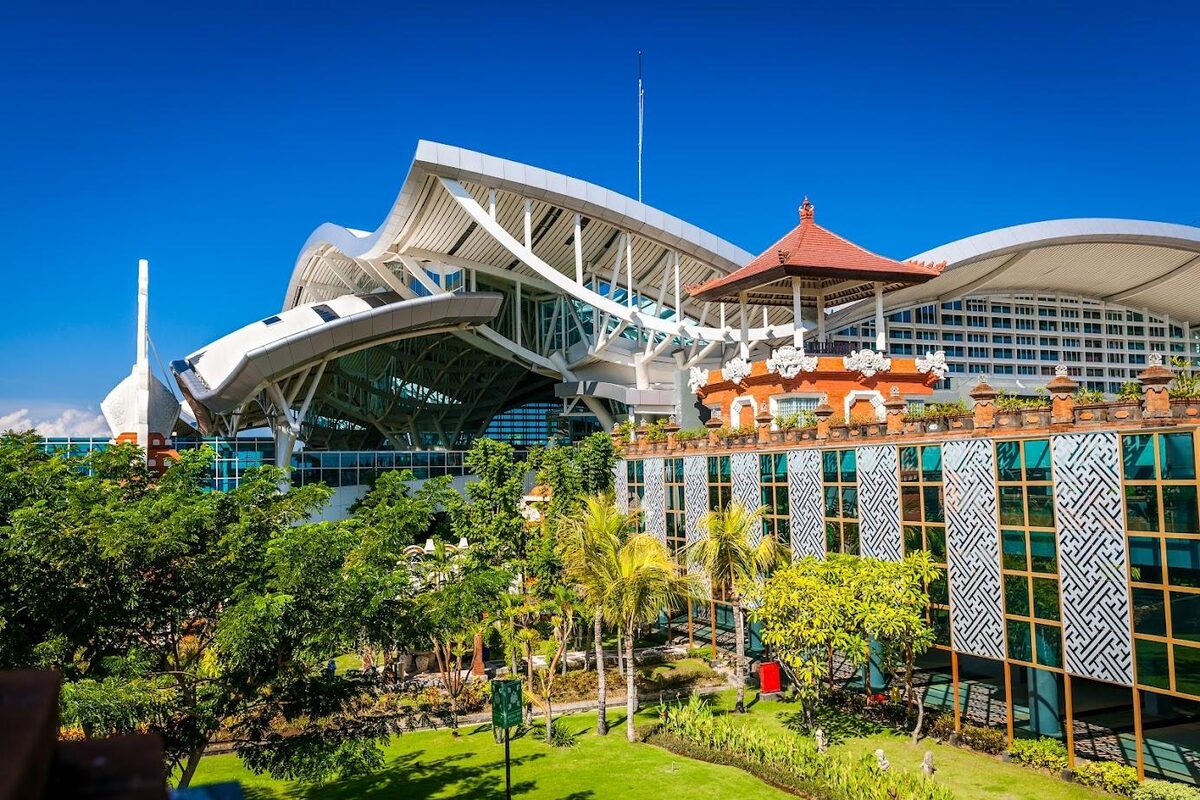
If you’re sensitive to crowds, avoid Bali during July, August, and the Christmas–New Year window (December 23 – January 3). During these periods, popular spots like Tanah Lot temple, the Tegallalang Rice Terraces, and the Ubud Monkey Forest become genuinely overwhelming. Prices are at their highest, and the relaxed, spiritual atmosphere Bali is famous for gets harder to find.
How to Escape the Crowds Even in Peak Season
If your travel dates are fixed in peak season, visit major attractions at opening time (usually 7–8 a.m.) before tour buses arrive. Explore less-visited areas like Sidemen Valley, Munduk, or the Jatiluwih Rice Terraces (a UNESCO site with a small entrance fee of around $3). Renting a scooter for $5–$8/day lets you reach off-the-beaten-path temples and villages that tour groups never see.
Overall Verdict: The Best Months to Visit Bali for Budget Travelers
After weighing weather, costs, crowds, and cultural events, here is our honest ranking for budget travelers:
Top Picks by Priority
Best overall value: September and October — excellent weather, lower prices, thin crowds. Best for culture and festivals: March (Nyepi) or June–July (Bali Arts Festival). Best for the lowest prices: January and February — rainy but genuinely cheap. Best first-timer experience: May or June — reliable weather before peak-season crowds and prices arrive. Avoid if budget-sensitive: July, August, late December.
Frequently Asked Questions
What is the best time to visit Bali for good weather?
The dry season, from April through October, offers the most reliable sunshine and low rainfall. September and October are particularly good because crowds have thinned since the August peak but weather remains excellent.
Is Bali worth visiting during the rainy season?
Yes, especially for budget travelers. The rainy season (November–March) brings 30–50% lower accommodation prices, fewer tourists, and lush green landscapes. Rain typically falls in short afternoon bursts, leaving mornings clear for sightseeing.
How much does a daily budget in Bali cost?
A realistic daily budget for a frugal traveler is $40–$60 during shoulder and low seasons, covering a budget guesthouse, three meals at local warungs, transport by scooter, and one or two paid attractions. Peak season budgets typically run $65–$90/day for the same level of comfort.
When is Bali the most crowded?
July and August are the busiest months, driven by European and Australian school holidays. The Christmas and New Year period (roughly December 23 through January 3) is also extremely crowded and expensive.
What is Nyepi and should I plan my trip around it?
Nyepi is the Balinese Day of Silence, a Hindu New Year celebration where the entire island — including the airport — shuts down for 24 hours. The night before features dramatic ogoh-ogoh processions. It’s a once-in-a-lifetime cultural experience, but you must plan your itinerary carefully since you cannot travel on Nyepi day itself.
What are the cheapest months to fly to Bali?
January, February, and early December (before the holiday rush) typically offer the lowest airfares to Denpasar. Using tools like Skyscanner’s “whole month” search helps you identify the cheapest specific dates within any given month.
Ready to Plan Your Bali Trip?
Bali rewards travelers who plan smart. Whether you’re chasing dry-season surf, rainy-season savings, or a front-row seat to Nyepi celebrations, there’s a perfect window for every type of budget traveler. The key is knowing what each month actually delivers — not just what the brochures promise.
Now that you know the best time to visit Bali, the next step is mapping out exactly what to do and see without blowing your budget. Check out our complete guide to for a day-by-day itinerary that keeps your spending in check from arrival to departure.
Have questions about timing your Bali trip? Drop them in the comments below — we read every one and answer as fast as we can.