


Affiliate Disclosure: This post contains affiliate links. If you book or purchase through these links, Travel with Save may earn a small commission at no extra cost to you. We only recommend products and services we genuinely trust for budget travelers.
7 Days in Bali Itinerary: The Ultimate Budget Guide for First-Time Visitors

Bali has a way of getting under your skin from the moment you land. The smell of incense drifting from a roadside temple, the sound of gamelan music floating through a village, the sight of terraced rice fields glowing gold in the late afternoon — it all hits you at once. And the best part? You do not need a luxury budget to experience any of it. Bali remains one of Southeast Asia’s most accessible destinations for travelers who want to stretch every dollar without sacrificing quality or experience.
If you have one week to spend on the Island of the Gods, this guide is built specifically for you. This 7 days in Bali itinerary covers everything from the cultural heartland of Ubud to the surf-soaked beaches of Seminyak and the dramatic cliffs of Uluwatu. Every day comes with a realistic cost estimate in USD so you always know what to expect before you open your wallet.
Whether this is your first trip to Bali or you are returning after years away, this bali one week itinerary is designed to help you see the highlights, avoid tourist traps, and keep your daily spend comfortably under $60 per day — often well under. Let’s get into it.
Bali 7-Day Budget Overview
Before diving into the daily plan, here is a snapshot of realistic daily spending for a budget traveler in Bali. These figures are based on staying in guesthouses or budget hotels, eating at warungs (local restaurants), and using ride-hailing apps or private drivers rather than taxis.
| Category | Budget Per Day (USD) |
|---|---|
| Accommodation (budget guesthouse or hostel) | $8 – $25 |
| Food (warungs and local cafes) | $8 – $15 |
| Transport (Grab app or scooter rental) | $3 – $10 |
| Activities and entrance fees | $5 – $20 |
| Miscellaneous (water, snacks, SIM card) | $3 – $5 |
| Total Daily Estimate | $27 – $75 |
Most budget travelers land comfortably around $40–$50 per day. A full week in Bali, including a few paid activities, typically runs $300–$450 all in for a solo traveler.
Day 1: Arrive in Bali and Settle into Seminyak or Kuta
Getting from the Airport to Your Accommodation
Ngurah Rai International Airport is located in Denpasar, just south of Seminyak and Kuta. The official metered taxi rank outside arrivals is your safest option on arrival. Expect to pay around $5–$8 to reach most Seminyak or Kuta guesthouses. Avoid the unofficial drivers who approach you inside the terminal — they typically charge two to three times more.
Once you have a local SIM card (available at the airport for around $3–$5 including data), you can use the Grab ride-hailing app for all subsequent journeys, which is consistently cheaper than flagging down a vehicle.
Day 1 is intentionally light. Walk the beach at sunset, grab a nasi goreng from a warung for under $2, and get an early night. Estimated daily spend: $30–$40 including airport transfer, SIM card, first meal, and one night’s accommodation.

Day 2: Explore Ubud — Temples, Markets, and Rice Fields
Getting to Ubud on a Budget
Ubud is roughly 90 minutes from Kuta by road. The cheapest way to get there is to arrange a shared transfer through your guesthouse, which typically costs $8–$12 per person. Private drivers charge around $25–$35 for the full car, which is worth splitting with other travelers you meet.
What to Do in Ubud Without Overspending
Ubud’s famous Monkey Forest costs around $5 to enter and is genuinely worth it. The Sacred Monkey Forest Sanctuary is well maintained and the resident macaques are endlessly entertaining. After the Monkey Forest, walk up Jalan Monkey Forest to the central market and Ubud Palace — both are free to wander around.
In the afternoon, rent a bicycle for around $3–$5 per day and ride out to the Campuhan Ridge Walk, a free scenic trail through the hills just west of town. For dinner, eat at a warung on Jalan Dewi Sita where a full rice or noodle dish with a drink costs under $4.
Book your Ubud accommodation through a guesthouse-booking site to find guesthouses with breakfast included from around $12–$18 per night. Estimated daily spend: $35–$50.

Day 3: Ubud Day Trips — Tegallalang and Tirta Empul
Tegallalang Rice Terraces
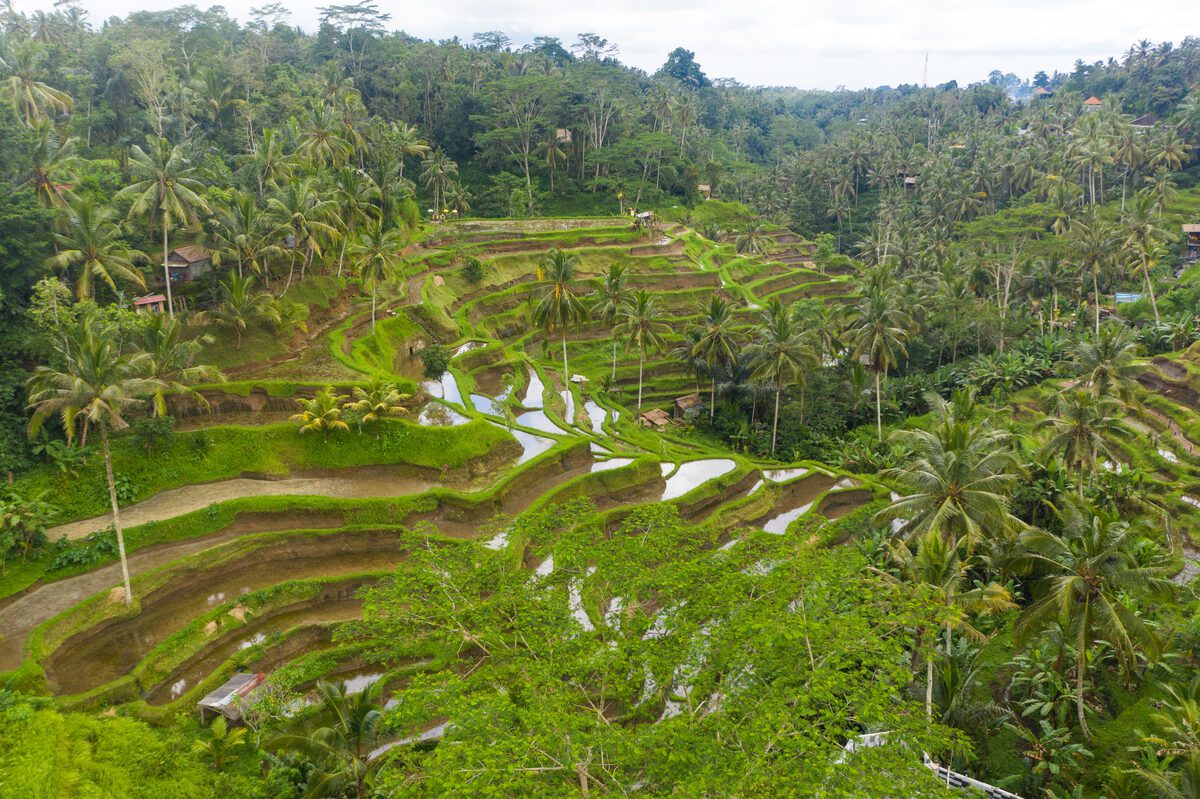
The Tegallalang rice terraces are one of Bali’s most photographed landscapes and they are located just 20 minutes north of Ubud by scooter. Compare Ubud and Tegallalang rice terrace tours if you would rather have a guide and transport sorted. Entry is technically free but vendors along the path ask for a small voluntary donation of around $1–$2. Arrive before 8:00 AM to beat the tour buses and get the best light for photos.
Tirta Empul Holy Water Temple
Tirta Empul is a Hindu water temple where locals and visitors participate in a purification ritual. Entry costs around $2.50 and a sarong rental is included if you do not have one. This is one of the most spiritually significant sites in Bali and is genuinely moving to witness respectfully.
Renting a scooter for the day is the most cost-effective way to visit both sites. Scooter rental in Ubud costs $5–$7 per day. If you are not comfortable riding, hire a private driver for the day through your guesthouse for around $35–$45, which is excellent value if split between two people. Estimated daily spend: $30–$45.
Day 4: Travel Day — Ubud to Amed or Candidasa
Why Head East?
Most first-time visitors skip east Bali, which is exactly why you should go. The coastal villages of Amed and Candidasa are dramatically cheaper than Ubud or Seminyak, the snorkeling is excellent, and the pace of life is genuinely slow. Accommodation in Amed starts at $10–$15 per night for a clean bungalow with a sea view.
The journey from Ubud to Amed takes about two hours by private car and costs around $25–$35. Many guesthouses can arrange this transfer. On the way, ask your driver to stop at Pura Besakih, Bali’s largest and most sacred temple complex. Entry costs around $5 and the views of Mount Agung on a clear day are extraordinary.
Spend the afternoon snorkeling directly off the black sand beach in Amed — no boat required. Rent a mask and fins for around $3 from any beachside warung. Estimated daily spend: $40–$55 including transport and accommodation.

Day 5: Snorkeling, Diving, and Slow Travel in East Bali
Budget Diving and Snorkeling Options
Amed is one of the most affordable diving destinations in Bali. Compare Amed snorkeling and shipwreck tours to dive the famous Japanese Shipwreck with a guide. A two-tank dive with a reputable local operator costs around $50–$65, which is significantly cheaper than Nusa Lembongan or the Gili Islands. If you are not a certified diver, a Discover Scuba introductory session runs about $60–$70 including equipment.
For non-divers, the snorkeling around the Japanese Shipwreck just off the Amed coast is genuinely world-class and completely free once you have your mask and fins. The wreck sits in shallow water and is accessible without a boat.
Book a dive through a reputable local dive center and ask about their early morning sessions when visibility is at its best. Spend the rest of the day eating fresh grilled fish at a beachside warung — a full meal with rice and vegetables costs around $4–$6. Estimated daily spend: $30–$75 depending on whether you dive.
Day 6: Travel to Uluwatu — Cliffs, Surf, and the Kecak Fire Dance
Getting to Uluwatu from East Bali
Uluwatu is on the southern Bukit Peninsula, about two to two and a half hours from Amed. Arrange a private transfer through your guesthouse for around $35–$45. This is a long travel day so start early and stop at Sanur for lunch on the way — Sanur’s beachfront warungs serve excellent fresh seafood at local prices.
The Kecak Fire Dance at Pura Luhur Uluwatu
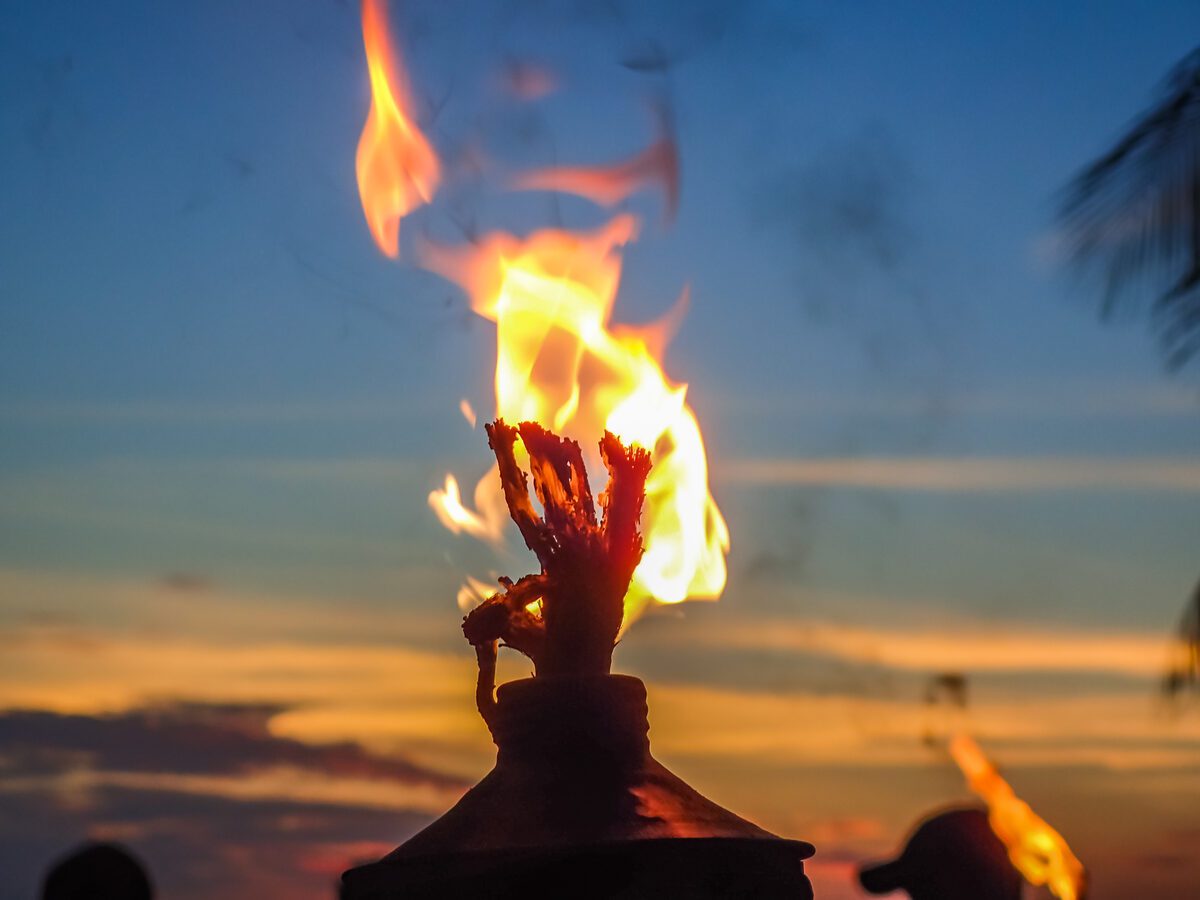
The Kecak Fire Dance performed at Pura Luhur Uluwatu temple at sunset is one of the most spectacular free-to-watch performances in Southeast Asia — though technically the temple entry fee of around $4 covers the show. The performance starts at 6:00 PM and the combination of the dramatic cliff setting, the setting sun, and the chanting chorus of performers is genuinely unforgettable.
Stay in one of the many budget guesthouses in Uluwatu or Bingin for $15–$25 per night. budget guesthouse listings lists well-reviewed options close to the surf breaks. Estimated daily spend: $45–$60.
Day 7: Final Day — Beaches, Souvenirs, and Departure
Spending Your Last Day Wisely
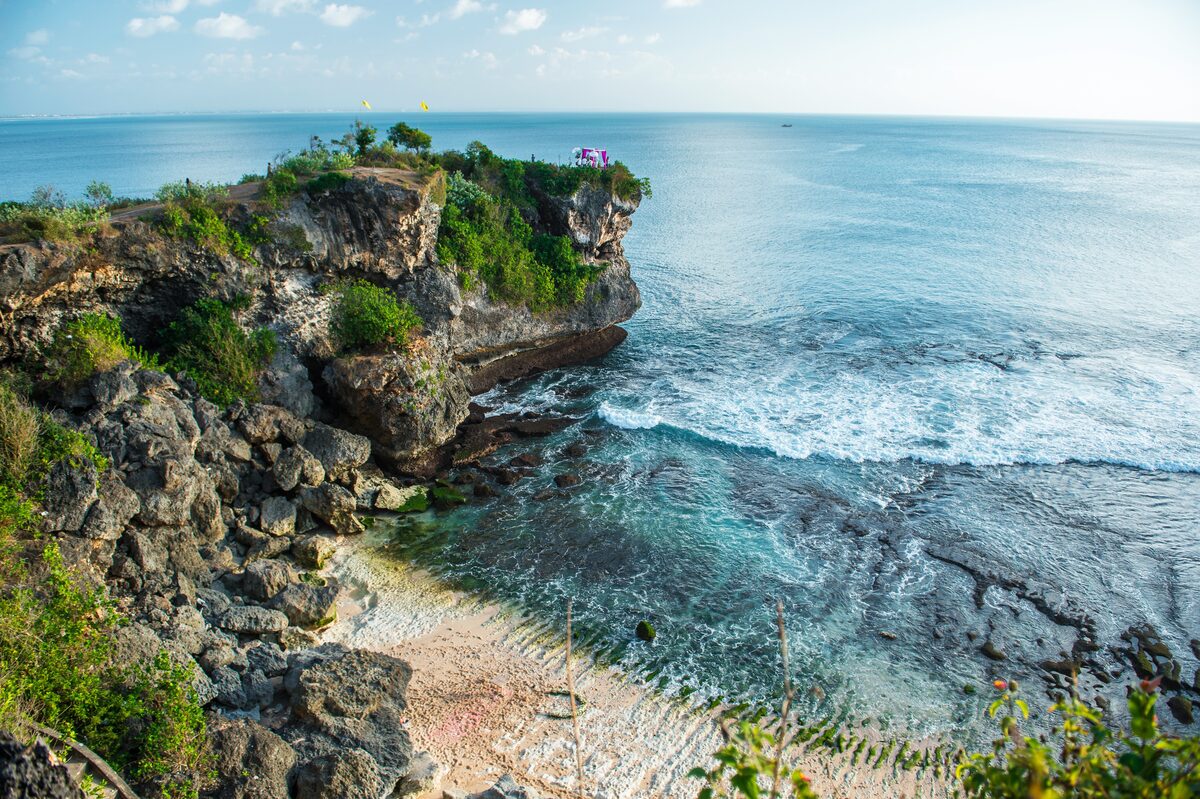
Depending on your flight time, use your final morning to visit Padang Padang Beach or Bingin Beach — two of Bali’s most beautiful and relatively uncrowded stretches of sand. Entry to Padang Padang costs around $1. Both beaches are within easy scooter or Grab distance from most Uluwatu guesthouses.
For souvenirs, avoid the airport shops entirely. The markets in Kuta and Seminyak sell the same sarongs, carved wooden items, and silver jewelry for a fraction of the airport price. Budget $10–$20 for gifts if you want to bring something home. Always negotiate — the first price is rarely the final price.
If your flight departs in the evening, store your luggage at your guesthouse and spend the afternoon at a beachside cafe. A fresh coconut costs around $1.50 and most cafes do not charge for the view. Estimated daily spend: $25–$40.
Money-Saving Tips for Your Bali 7 Day Budget
Transport Savings
Use the the Grab app wherever it is available (primarily south Bali and Ubud). It is consistently 30–50% cheaper than metered taxis and you can see the price before you confirm the ride. For longer journeys, negotiate a full-day driver rate — $35–$50 for a full day with a private driver is standard and excellent value for covering multiple sites.
Food and Drink Savings
Eat where locals eat. A full meal at a warung costs $1.50–$3. A beer at a tourist bar costs $4–$6; the same beer from a minimart costs under $1.50. Carry a reusable water bottle and refill at your guesthouse — Bali tap water is not safe to drink but most guesthouses provide a large refill dispenser for free or for a few cents.
Activity Savings
Many of Bali’s best experiences are free or very low cost: the Campuhan Ridge Walk, sunrise at Mount Batur (if you hike independently rather than through a tour), watching temple ceremonies from the road, and simply wandering through village streets. Paid activities like cooking classes and white-water rafting are worth comparing on Bali tours and activities where you can often find discounts of 15–25% versus booking directly.
Where to Stay in Bali on a Budget
Best Budget Neighborhoods
For first-time visitors, Ubud is the best base for cultural exploration and offers the widest range of budget guesthouses with included breakfast. Canggu has become increasingly popular with digital nomads and offers good-value accommodation with a younger, more social atmosphere. Amed and Candidasa in east Bali are the cheapest areas overall, with bungalows from $10 per night. Avoid Legian and central Kuta for accommodation — prices are higher and the area is overcrowded.
Use a hotel-booking site and filter by guest rating above 8.0 to find clean, reliable guesthouses in every price range. Always read recent reviews specifically mentioning cleanliness and noise levels before booking.
Best Time to Visit Bali for Budget Travelers
Timing your trip correctly can save you a significant amount of money. The dry season in Bali runs from approximately April through October and is generally considered the best time to visit for weather. However, July and August are peak tourist months when accommodation prices spike and popular sites are crowded.
The shoulder months of April, May, and September offer the best combination of good weather and lower prices. The wet season (November through March) brings daily rain but also the lowest accommodation rates of the year — often 30–40% below peak season prices. If you can handle afternoon showers, the wet season is excellent value.
For a detailed breakdown of weather patterns, crowd levels, and monthly price variations, read our full guide on the best time to visit Bali.
Frequently Asked Questions
How much does a 7-day trip to Bali cost on a budget?
A budget traveler spending 7 days in Bali can expect to spend between $300 and $450 in total, covering accommodation, food, transport, and activities. A Wise travel money card helps you draw rupiah and pay with low fees. This works out to roughly $40–$65 per day. Costs are lower if you stay in east Bali and eat exclusively at warungs.
Is Bali safe for first-time solo travelers?
Bali is widely considered one of the safer destinations in Southeast Asia for solo travelers, including solo women. It is still smart to carry travel insurance that covers scooter accidents and medical care. Petty theft does occur in busy tourist areas so keep valuables secured and use a money belt in crowded markets. Always use licensed transport options or Grab rather than accepting rides from strangers.
Do I need a visa to visit Bali?
Many nationalities, including citizens of the United States, United Kingdom, Australia, and most of the European Union, can enter Indonesia visa-free for up to 30 days. Always verify current entry requirements with the Indonesian embassy or official government sources before traveling as policies can change.
What is the cheapest way to get around Bali?
Renting a scooter is the cheapest way to get around Bali at $5–$7 per day. If you are not comfortable on a scooter, the Grab app is the next most affordable option for shorter journeys. For day trips covering multiple sites, hiring a private driver for $35–$50 per day is often the best value when traveling with one or more companions.
Can I do Bali in 7 days as a first-time visitor?
Seven days is enough time to experience Bali’s main highlights comfortably without feeling rushed. This itinerary covers Seminyak, Ubud, east Bali, and Uluwatu — the four areas that give you the best overall picture of what the island offers. You will not see everything but you will leave with a genuine sense of Bali’s culture, landscape, and food.
What should I pack for a week in Bali?
Pack light, breathable clothing, a sarong for temple visits (or buy one in Bali for around $2–$4), reef-safe sunscreen, a reusable water bottle, and a rain jacket if visiting during shoulder or wet season. Leave space in your bag for souvenirs. Bali’s markets sell almost everything you might forget at reasonable prices, so do not overpack.
Final Thoughts on Your 7 Days in Bali Itinerary
Bali rewards travelers who take the time to move beyond the tourist bubble. The most memorable moments on this island rarely cost much — watching a temple ceremony unfold at dusk, sharing a meal with a family at a roadside warung, or catching the sunrise over the rice fields before the tour groups arrive. With a realistic budget of $40–$60 per day, a week in Bali is not just achievable — it is genuinely one of the best-value travel experiences available anywhere in the world right now.
Use this bali itinerary first time guide as your starting framework and then adapt it to your own pace and interests. If you want to slow down and spend three nights in Ubud instead of two, do it. If you want to skip east Bali and spend more time surfing in Canggu, that works too. The structure is here; the adventure is yours to shape.
Before you finalize your plans, make sure you have read our complete guide on the to choose the right travel window for your budget and weather preferences. Safe travels and happy saving.