

Affiliate Disclosure: Travel with Save is reader-supported. Some links in this article are affiliate or sponsored links, meaning we may earn a small commission at no extra cost to you if you make a purchase. We only recommend products and services we genuinely believe will help you travel smarter and spend less.
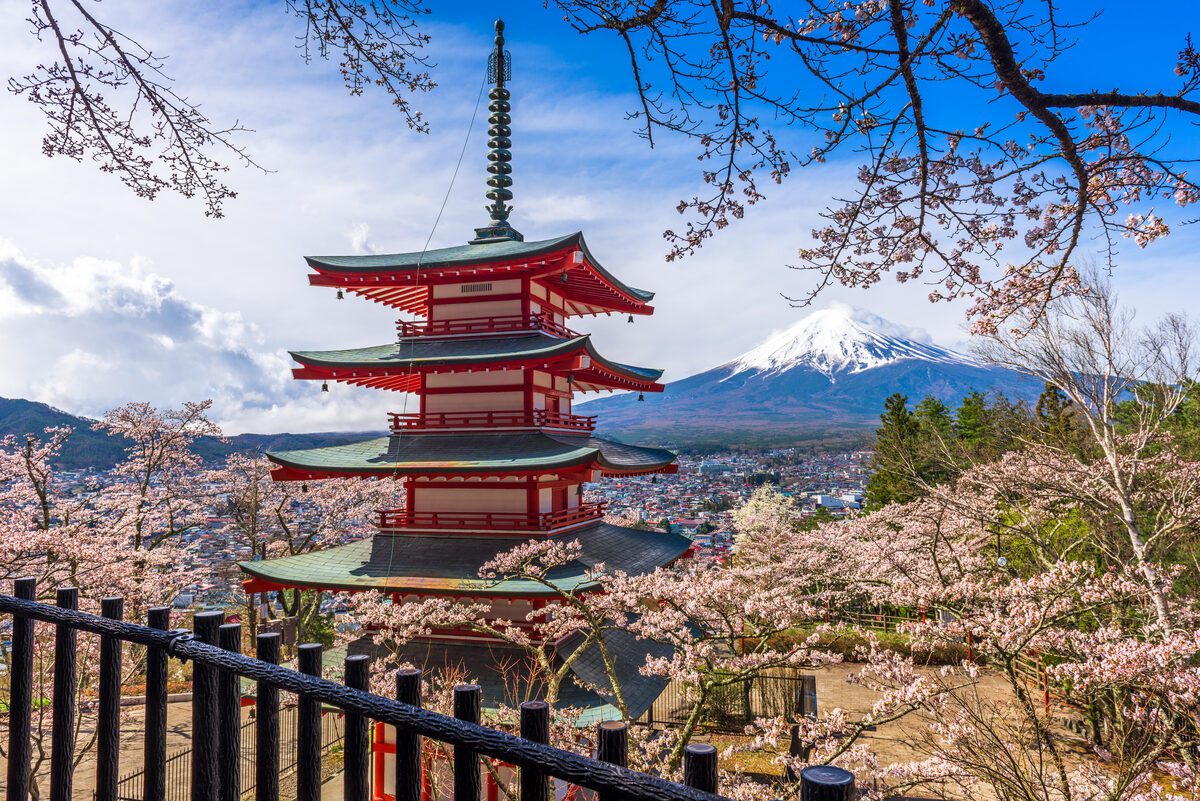
7 Days in Japan Itinerary: See Tokyo, Kyoto & Osaka Without Blowing Your Budget
Japan has a reputation for being expensive, but the truth is that smart planning can make a one-week trip surprisingly affordable. This 7 days in Japan itinerary shows you exactly how. Whether you’re drawn to neon-lit Tokyo streets, the ancient temples of Kyoto, or the street-food paradise of Osaka, a well-structured Japan one week itinerary lets you experience the country’s incredible range without draining your savings account.
This guide covers the classic Tokyo–Kyoto–Osaka route over seven days, with honest cost estimates in USD, practical money-saving strategies, and a full JR Pass cost analysis so you can decide whether buying that rail pass is actually worth it for your trip. We’ll walk you through every day, every transit move, and every budget-friendly meal so you can show up prepared and confident.
Whether you’re a first-time visitor or a returning traveler trying to stretch your yen further, this japan budget itinerary is built for real people with real budgets. Let’s get into it.
Is Japan Actually Affordable? Setting Your Daily Budget
Japan is more budget-friendly than most Western travelers expect, especially after the yen weakened significantly against the US dollar in recent years. A realistic daily budget for a budget traveler in Japan runs between $60 and $90 per day, covering accommodation, food, local transit, and entry fees. Mid-range travelers typically spend $100–$150 per day.
Sample Daily Budget Breakdown
| Category | Budget Traveler | Mid-Range Traveler |
|---|---|---|
| Accommodation | $25–$40 (hostel/capsule hotel) | $70–$110 (business hotel) |
| Food | $15–$25 (convenience stores, ramen, gyudon) | $30–$50 (sit-down restaurants) |
| Local Transit | $5–$10 | $10–$20 |
| Attractions & Entry Fees | $5–$15 | $15–$30 |
| Total Per Day | $50–$90 | $125–$210 |
Pro tip: Load a Wise Travel Money Card before you leave home to avoid currency conversion fees at ATMs and point-of-sale terminals throughout Japan.
Should You Buy a JR Pass? An Honest Cost Analysis
The Japan Rail Pass is one of the most discussed topics in any japan one week itinerary, and for good reason — it’s a significant upfront cost. Here’s how the math shakes out for the Tokyo–Kyoto–Osaka route.
JR Pass vs. Individual Ticket Costs
A 7-day JR Pass costs approximately $295 USD for the standard Ordinary class (prices fluctuate with the yen). Here are the key individual shinkansen (bullet train) fares on this route:
| Route | Individual Ticket (USD approx.) |
|---|---|
| Tokyo → Kyoto (Hikari Shinkansen) | ~$130 |
| Kyoto → Osaka (Shinkansen or JR train) | ~$7–$15 |
| Osaka → Tokyo (Hikari Shinkansen) | ~$130 |
| Estimated Total Without Pass | ~$267–$275 |
On this route alone, the JR Pass barely breaks even. However, if you add a day trip to Hiroshima from Osaka (~$100 round trip by Shinkansen), or travel to Nara and Hakone, the pass pays for itself quickly. If you’re sticking strictly to Tokyo, Kyoto, and Osaka with no day trips, buying individual tickets is often cheaper. Purchase your pass in advance through GetYourGuide before arriving in Japan, as overseas pricing is typically lower than buying in-country.
Day 1 & 2: Tokyo — Arrive, Explore, and Eat Cheap
Fly into Narita or Haneda Airport and get yourself into central Tokyo. The Narita Express (N’EX) costs around $30 from Narita, or you can take the Keisei Skyliner for about $20. From Haneda, the Tokyo Monorail or Keikyu Line runs under $10. Skip the overpriced airport taxis entirely.
Budget Tokyo Highlights
Many of Tokyo’s best experiences are completely free. Spend Day 1 in Shinjuku and Shibuya — wander Shinjuku Gyoen National Garden ($2 entry), ride the free observation deck at the Tokyo Metropolitan Government Building, and experience Shibuya Crossing at night. On Day 2, explore Asakusa and Akihabara. Senso-ji Temple is free to enter and one of the most iconic sights in Japan.
Eat breakfast and lunch from 7-Eleven, FamilyMart, or Lawson — Japan’s convenience stores serve genuinely good food for $3–$6 per meal. A bowl of ramen at a local shop runs $8–$12. Budget $20–$25 per day for all meals in Tokyo. Stay at a capsule hotel or hostel for $25–$40 per night. Book early for the best availability and rates.
Day 3: Tokyo to Kyoto — Making the Move
Check out of your Tokyo accommodation and head to Tokyo Station for your shinkansen to Kyoto. The Hikari bullet train takes approximately 2 hours and 15 minutes. If you have a JR Pass, this ride is fully covered. If you bought individual tickets, you paid around $130 for this leg — still worth it for the speed and comfort compared to overnight buses.
Arriving in Kyoto on a Budget
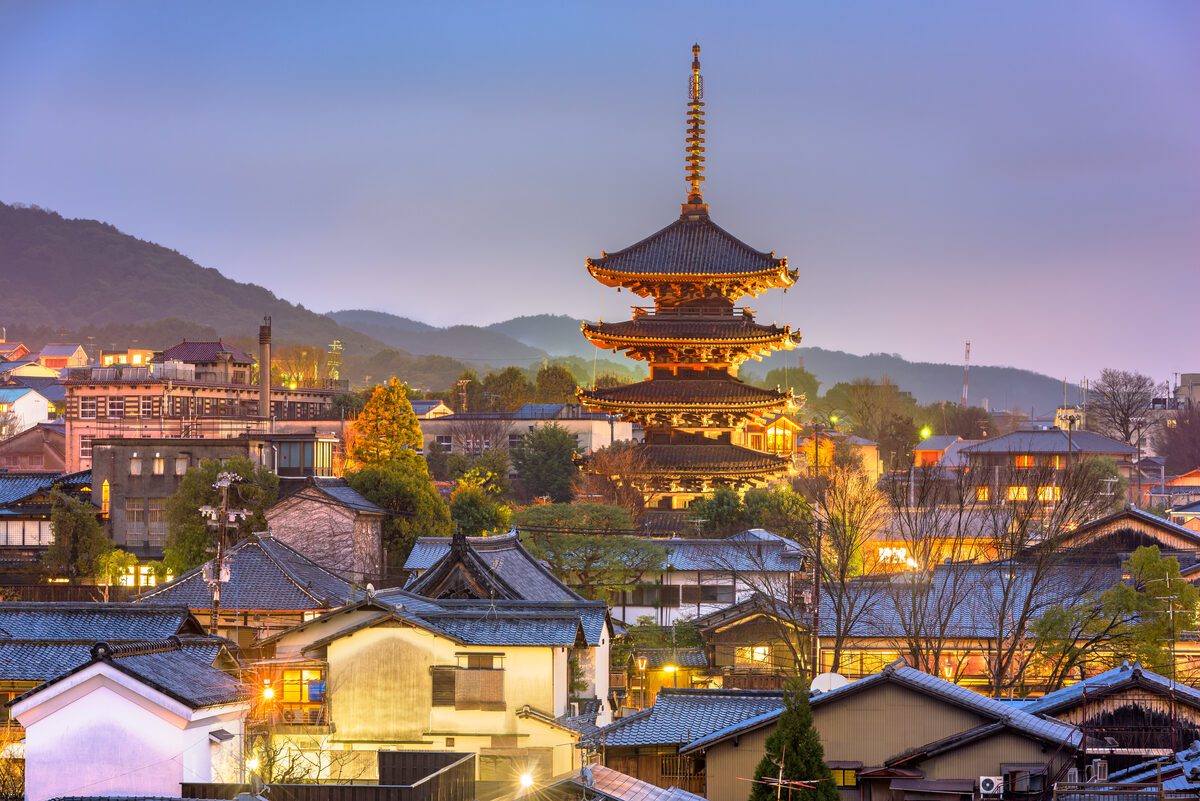
Drop your bags at your accommodation and spend the afternoon in Gion district, Kyoto’s famous geisha neighborhood. Walking Gion is free, and if you time it right around dusk, you may spot a maiko (apprentice geisha) heading to an appointment. Grab dinner at Nishiki Market — known as “Kyoto’s Kitchen” — where food stalls sell skewers, tofu, and pickled vegetables for $1–$4 per item. Budget around $10–$15 for a satisfying market dinner.
Accommodation in Kyoto is slightly pricier than Tokyo. Expect to pay $30–$50 per night for a hostel bed or budget guesthouse. A traditional guesthouse (minshuku) can run $60–$90 but includes breakfast, which offsets food costs.
Day 4: Kyoto Full Day — Temples, Bamboo, and Free Gardens
This is your deep-dive day into Kyoto’s most iconic sights. Start early at Fushimi Inari Shrine — it opens 24 hours and is completely free. The hike through thousands of torii gates takes 2–3 hours for the full trail. Arrive before 8 a.m. to beat the crowds.
Arashiyama Bamboo Grove and Kinkaku-ji
Take the JR Sagano Line to Arashiyama (about $2.50 each way with an IC card). The Bamboo Grove is free to walk through. Tenryu-ji Garden costs $5 entry and is worth every cent. In the afternoon, visit Kinkaku-ji (Golden Pavilion) for $5 entry. Budget $15–$20 total for entry fees today. Lunch near Arashiyama will run $8–$12 at a local soba or tofu restaurant. Use an IC card (Suica or ICOCA) loaded with yen for all local transit — it’s cheaper and more convenient than buying individual tickets. Pick up an IC card at any major train station for a $5 refundable deposit plus however much you load onto it.
Day 5: Nara Day Trip from Kyoto
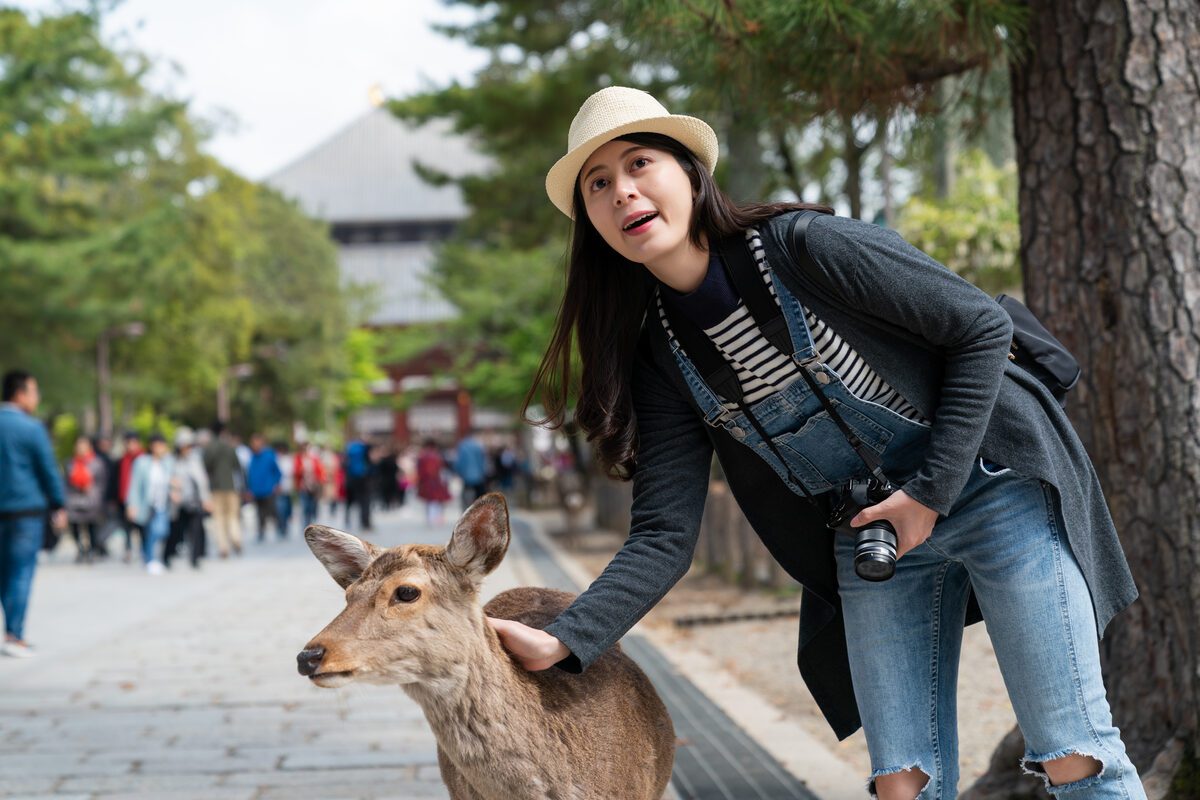
Nara is one of the most rewarding and affordable day trips from Kyoto. The JR Nara Line from Kyoto Station takes about 45 minutes and costs approximately $8 each way (covered by JR Pass). Nara Park is free to enter, and the famous bowing deer roam freely throughout.
What to See and Spend in Nara
Entry to Todai-ji Temple, home to Japan’s largest bronze Buddha statue, costs $6. The surrounding park, Kasuga Taisha Shrine, and the forest paths are all free. Buy shika senbei (deer crackers) from vendors for about $1.50 to feed the deer. Budget $15–$20 for the full day including transit, entry, and a lunch of kakinoha-zushi (persimmon leaf sushi) from a local shop for around $8–$10. Return to Kyoto by late afternoon.
Day 6: Kyoto to Osaka — Street Food Capital of Japan
The short hop from Kyoto to Osaka takes just 15 minutes on the Shinkansen (covered by JR Pass) or about 30 minutes on the cheaper Hankyu or Kintetsu private lines for around $4–$5. Budget travelers should take the private rail option and save the JR Pass for longer legs.
Dotonbori and Osaka Street Food on a Budget
Drop your bags and head straight to Dotonbori, Osaka’s neon-drenched entertainment district. This is street food paradise. Takoyaki (octopus balls) cost $3–$5 for a serving of eight. Okonomiyaki (savory pancakes) run $7–$10 at a sit-down spot. Kushikatsu (skewered and fried everything) is $1–$2 per skewer. You can eat extraordinarily well in Osaka for $15–$20 per day on food alone. Osaka is also slightly cheaper for accommodation than Kyoto — expect $25–$40 per night for a hostel. Look for accommodation with flexible cancellation options. If you would rather have a local show you the best stalls, book an Osaka street-food tour in advance.
Day 7: Osaka Highlights Before You Fly Home
On your final day, hit Osaka Castle (castle tower entry $6, grounds free) in the morning, then explore the Kuromon Ichiba Market — a covered market with fresh seafood, grilled scallops, and produce at local prices. Grab a final lunch here for $8–$12 before heading to the airport.
Getting to Osaka Airport on a Budget
Kansai International Airport (KIX) is served by the JR Haruka Express (covered by JR Pass) or the cheaper Nankai Railway for about $12–$15. Itami Airport (for domestic connections) is accessible by bus for around $5. Factor airport transit into your final day budget. If you’re flying home from Tokyo instead, the Shinkansen back from Osaka to Tokyo costs about $130 without a JR Pass — another scenario where the pass pays off.
Money-Saving Tips Specific to This Route
A few strategies will meaningfully reduce your spend across this entire japan budget itinerary without sacrificing the experience.
Top Budget Hacks for Japan
- Use IC cards everywhere: Suica or ICOCA cards work on almost all local trains, subways, and buses, and even at convenience stores. No fumbling for exact change.
- Eat at gyudon chains: Yoshinoya, Sukiya, and Matsuya serve hot beef-rice bowls for $3–$5. Fast, filling, and authentically Japanese.
- Visit free temples and shrines: Many of Kyoto and Nara’s most beautiful sites charge no entry fee. Always check before assuming there’s a cost.
- Book accommodation with free breakfast: Even a simple breakfast included can save $5–$8 per day.
- Get a pocket Wi-Fi or SIM card: Navigation in Japan is easy with Google Maps, but you need data. A rental pocket Wi-Fi or eSIM runs about $5–$7 per day and covers multiple devices.
Packing and Practical Preparation
Japan is extremely well-organized and safe, but a few practical preparations will save you time and money on arrival.
What to Sort Before You Leave Home
Book your JR Pass in advance if you plan to use one — it must be purchased outside Japan at the overseas price. Arrange travel insurance before departure; a basic policy covering medical and trip cancellation runs $40–$80 for a week and is non-negotiable for international travel. Pack comfortable walking shoes — you will walk 15,000–20,000 steps per day easily. Download Google Translate with Japanese offline language pack. Carry a small amount of cash in yen at all times, as some smaller restaurants and rural shrines are still cash-only.
Frequently Asked Questions
How much does a 7-day Japan trip cost in total?
A budget traveler can expect to spend $700–$1,000 for 7 days in Japan, excluding international flights. This covers accommodation, food, local transit, and attractions. Mid-range travelers should budget $1,200–$1,800 for the same week.
Is the JR Pass worth it for a Tokyo Kyoto 7 days itinerary?
On the strict Tokyo–Kyoto–Osaka route, individual tickets and the JR Pass cost roughly the same. The pass becomes clearly worth it if you add day trips to Hiroshima, Hakone, or Nara, or if you plan to return to Tokyo from Osaka at the end of your trip.
What is the cheapest way to get from Tokyo to Kyoto?
Overnight highway buses are the cheapest option at $25–$50 each way, though they take 8–9 hours. Budget airlines like Peach or Jetstar occasionally offer promotional fares between Tokyo and Osaka for $30–$60. The Shinkansen is the most comfortable and time-efficient option at around $130.
How many days should I spend in Tokyo vs. Kyoto vs. Osaka?
For a 7-day itinerary, two days in Tokyo, two full days in Kyoto (plus a Nara day trip), and one day in Osaka is a well-tested balance. If you love history and temples, shift an extra day to Kyoto. If nightlife and food are your priorities, give Osaka more time.
Is Japan safe for solo budget travelers?
Japan consistently ranks among the safest countries in the world for solo travel. Violent crime rates are very low, public transit is reliable and clearly signed in English, and locals are generally helpful. Solo travelers should still take standard precautions with valuables in crowded areas like Dotonbori and Shibuya.
What is the best time of year to visit Japan on a budget?
January through February (excluding New Year) and June (rainy season) offer the lowest accommodation prices and thinner crowds. Avoid Golden Week (late April to early May) and cherry blossom season (late March to mid-April) if you want the best rates — prices for hotels can double or triple during peak periods.
Final Thoughts: Your 7 Days in Japan Itinerary Is More Affordable Than You Think
Japan rewards travelers who plan ahead. The Tokyo–Kyoto–Osaka route is a classic for a reason — it packs ancient culture, modern energy, incredible food, and stunning scenery into one manageable week. With the right strategies around transit, accommodation, and food, you can experience all of it for under $1,000 excluding flights. That’s genuinely remarkable for one of the world’s most fascinating countries.
Start by locking in your JR Pass decision based on your specific day trips, book your accommodation early (especially in Kyoto), and load up an IC card the moment you land. The rest will fall into place. Ready to keep planning? Check out our full guide to to cover everything else before you book your flights.