


When most people picture Greece, they imagine Santorini sunsets and Mykonos beach clubs — beautiful, yes, but also brutally expensive and overwhelmingly crowded. What if we told you that Greece has dozens of destinations just as stunning, far less visited, and dramatically easier on your wallet? The real Greece — the one locals actually love — is waiting just beyond the tourist trail, and it is more accessible than you think.
Budget travel in Greece is not only possible, it can be genuinely magical. From crumbling Byzantine villages in the Peloponnese to tiny Aegean islands where a taverna meal costs less than a coffee in Mykonos, authentic Greece travel rewards those willing to do a little extra planning. The key is knowing where to go, when to go, and how to stretch every dollar once you get there. One cost we never skip: solid travel insurance with SafetyWing — it is a small price for real peace of mind.
In this guide, we cover the best Greece off the beaten path destinations for budget-conscious travelers, including realistic cost estimates, transportation tips, the best shoulder season windows, and hidden gems on cheap Greek islands you may never have heard of. Whether you have two weeks or two months, this is your roadmap to a Greece that most tourists never see.
 Free Download: The Budget Greece Packing & Planning Checklist
Get our printable checklist covering what to pack, which ferry apps to use, and how to budget by day for Greece travel. Download it free here.
Why Greece Off the Beaten Path Is the Best Budget Strategy
The most visited Greek islands — Santorini, Mykonos, and Rhodes — charge premium prices precisely because millions of tourists accept them. A hotel room in Santorini during peak season can easily run $300–$500 per night. The moment you step off the main tourist circuit, prices collapse. Lesser-known islands and mainland regions regularly offer guesthouses for $35–$70 per night and full taverna meals for $10–$15 per person.
The Hidden Cost of Overtourism
Beyond money, overtouristed destinations drain your energy. Long queues, sold-out ferries, and restaurants optimized for turnover rather than taste are the realities of peak-season Mykonos. Hidden Greece offers the opposite: uncrowded beaches, family-run kitchens where the owner recommends what is fresh that day, and an authentic rhythm of life that feels like a privilege to witness. Traveling off the beaten path is not a sacrifice — it is an upgrade.
Best Time to Visit: Embrace the Greece Shoulder Season
Timing is the single biggest lever you can pull for budget travel in Greece. The Greece shoulder season — roughly late April through early June and mid-September through October — offers warm weather, open businesses, and prices that can be 30–50% lower than July and August peaks.
Month-by-Month Cost Breakdown
In May, you can find ferry tickets between islands for $15–$30 and double rooms in family guesthouses for $40–$60. By July, those same rooms often double in price. September is arguably the sweet spot: the sea is at its warmest from a summer of sun, crowds have thinned noticeably, and accommodation rates begin dropping. October brings occasional rain but also near-empty beaches and some of the lowest prices of the year. Avoid late July and all of August unless you book months in advance and have a larger budget.
Book your flights early and set up price alerts to lock in the best shoulder season fares from your home country to Athens.
The Peloponnese: Mainland Greece’s Most Underrated Region
The Peloponnese peninsula is one of the most historically rich and budget-friendly regions in all of Greece. Ancient Mycenae, the medieval city of Mystras, and the dramatic Mani peninsula sit within easy driving or bus distance of each other, yet this region sees a fraction of the visitors that the islands attract.
Where to Stay and What to Budget
Base yourself in Nafplio, a charming harbor town with a Venetian fortress, excellent restaurants, and guesthouses ranging from $45–$80 per night. Day trips to Epidaurus and Mycenae cost around $10–$15 each in entrance fees — book a guided tour through Viator to get expert commentary without the premium price tag. Local buses (KTEL) connect major towns for $5–$12 per ride. Budget $60–$90 per day for accommodation, food, and sightseeing in this region. Find well-reviewed guesthouses through Booking.com Greece and filter by guest rating to find genuine family-run spots.
Ikaria: The Island Where Nobody Rushes
Ikaria is famous among longevity researchers as one of the world’s Blue Zones, where residents routinely live past 90. For travelers, it means an island that has deliberately resisted mass tourism, offering rocky hiking trails, thermal hot springs, and all-night village festivals called panigiri that anyone is welcome to join — often with free food and wine included.
Getting There and Keeping Costs Low
Ikaria is reachable by ferry from Piraeus (Athens port) in roughly eight hours on an overnight boat, with deck-class tickets costing around $25–$35. A cabin bumps the price to $50–$70 but saves you a night’s accommodation. Once on the island, rent a scooter for $15–$20 per day to explore. Rooms in local guesthouses run $35–$55 per night. Eat at village tavernas away from the port where a full meal with wine rarely exceeds $12. Ikaria is one of the best examples of cheap Greek islands done right.
Epirus and the Zagori Villages: Hidden Greece in the Mountains
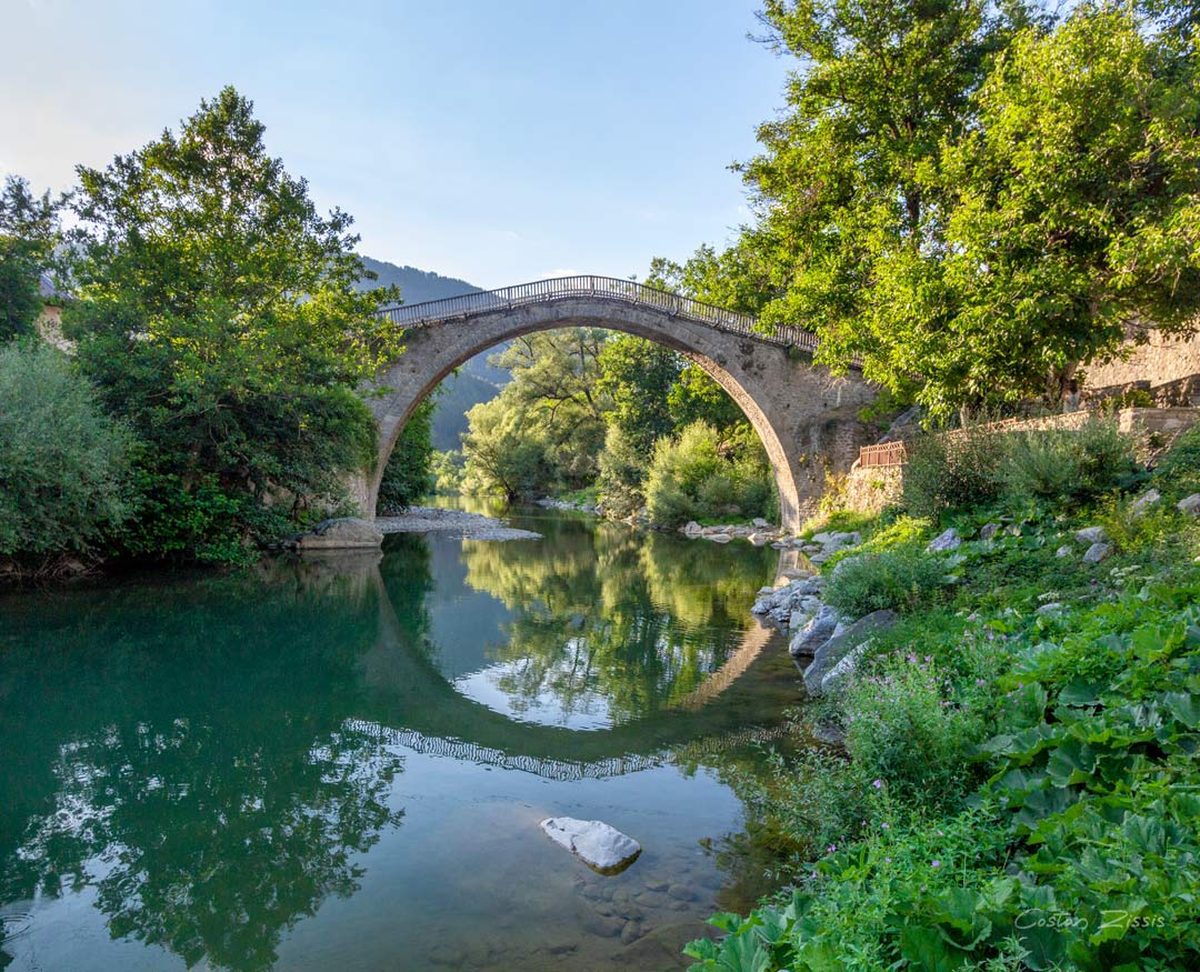
Most travelers never consider heading to northwestern Greece, which means Epirus remains one of the country’s best-kept secrets. The Zagori region contains 46 stone-built villages connected by ancient arched bridges and dramatic gorges, including the famous Vikos Gorge — one of the deepest in the world.
Hiking and Budget Logistics
The main hub is Ioannina, a lakeside city with a fascinating Ottoman-era old town. Budget hotels in Ioannina start around $40 per night. From there, book an organized day tour into Zagori through Get Your Guide for $30–$50, or rent a car for $35–$50 per day and explore independently. Hiking the Vikos Gorge is free. Village guesthouses in Zagori itself run $55–$85 per night and often include breakfast. This region is ideal for the Greece shoulder season traveler who wants nature, history, and zero crowds. Book your rental car in advance for competitive rates.
Milos vs. Santorini: The Budget Traveler’s Better Choice
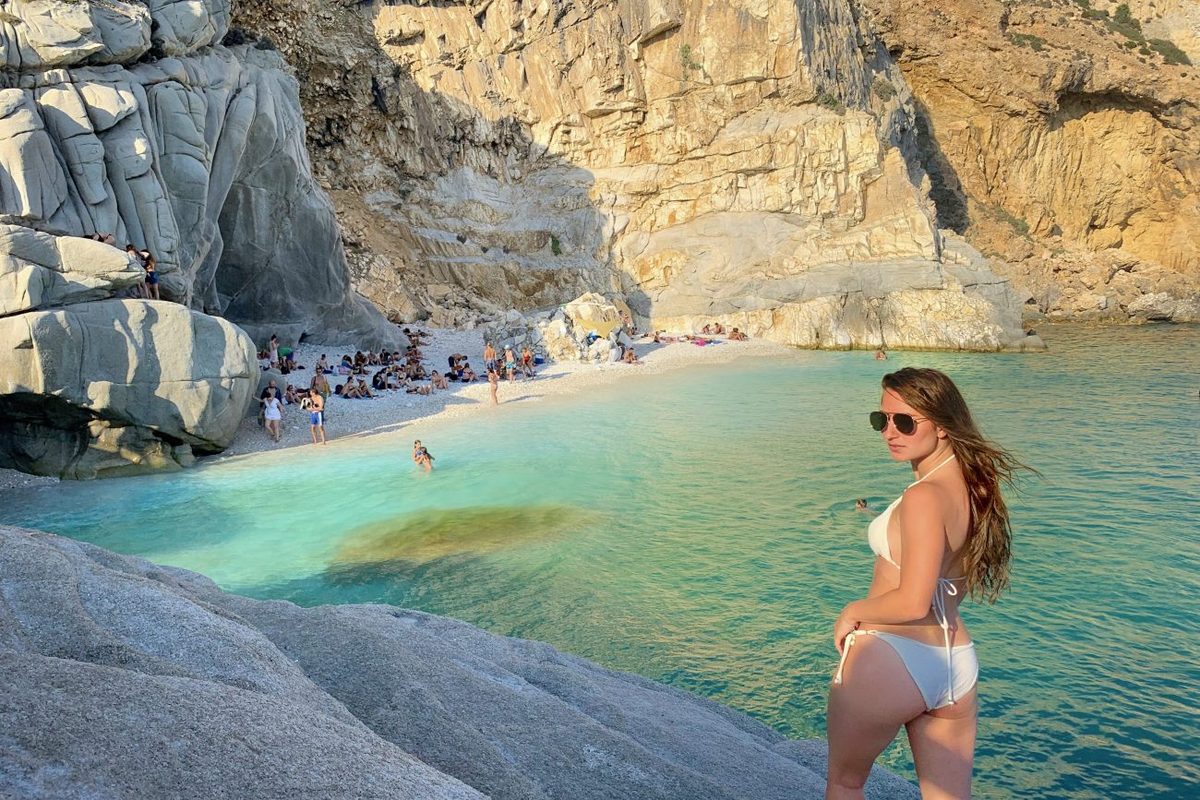
Milos has the same volcanic geology and jaw-dropping coastline as Santorini but costs significantly less and draws far fewer visitors. Its famous Sarakiniko beach — a lunar landscape of white volcanic rock meeting electric blue water — is genuinely unlike anywhere else in the world.
Comparing Costs: Milos vs. Santorini
| Category | Santorini (Peak Season) | Milos (Shoulder Season) |
|---|---|---|
| Budget Hotel / Guesthouse | $180–$350/night | $55–$90/night |
| Taverna Dinner (per person) | $25–$45 | $12–$20 |
| Ferry from Athens (Piraeus) | $40–$65 | $30–$50 |
| Scooter Rental (per day) | $30–$45 | $18–$28 |
| Daily Budget (total) | $150–$250 | $70–$110 |
Book ferries in advance to secure the cheapest tickets and avoid last-minute surcharges.
Thessaloniki: Greece’s Most Underrated City
Athens gets all the attention, but budget travelers who discover Thessaloniki often say it is their favorite city in Greece. Greece’s second-largest city has Byzantine churches, a lively waterfront, one of the best food scenes in the country, and a student population that keeps prices refreshingly low.
Eating and Sleeping on a Budget in Thessaloniki
Hostel dorm beds start around $18–$25 per night, and private rooms in guesthouses run $45–$70. The city’s famous bougatsa (a custard or cheese pastry) costs around $2 at a local bakery. A full souvlaki meal is $5–$8. Thessaloniki’s museums charge $4–$8 in entrance fees, and the waterfront walk and White Tower area are completely free. Budget $50–$75 per day here and eat extraordinarily well. Explore the city’s Byzantine heritage and food scene on a guided tour through Get Your Guide Thessaloniki. Find centrally located hostels and guesthouses via Booking.com Thessaloniki.
Naxos: The Cheap Greek Island That Has Everything
Naxos is the largest of the Cyclades islands and arguably the best value. It has mountain villages, ancient marble ruins, long sandy beaches, and a thriving local food culture built around its own cheese, potatoes, and citron liqueur. Because it is self-sufficient and less dependent on tourism than Mykonos or Santorini, prices stay reasonable year-round.
How to Explore Naxos Without Overspending
Rooms in Naxos Town start at $45–$65 per night in shoulder season. Local buses connect the main villages for $2–$4 per ride. Rent a car for a day ($35–$45) to reach the interior mountain villages of Apeiranthos and Halki, where you will find traditional kafeneions serving coffee for $1.50 and homemade food for under $10. The famous Portara (an ancient marble gate) is free to visit and one of the most photogenic spots in the Cyclades. Naxos consistently ranks among the best cheap Greek islands for good reason. Discover the island’s villages and hidden beaches on a guided Naxos tour via Viator.
Practical Money-Saving Tips for Authentic Greece Travel
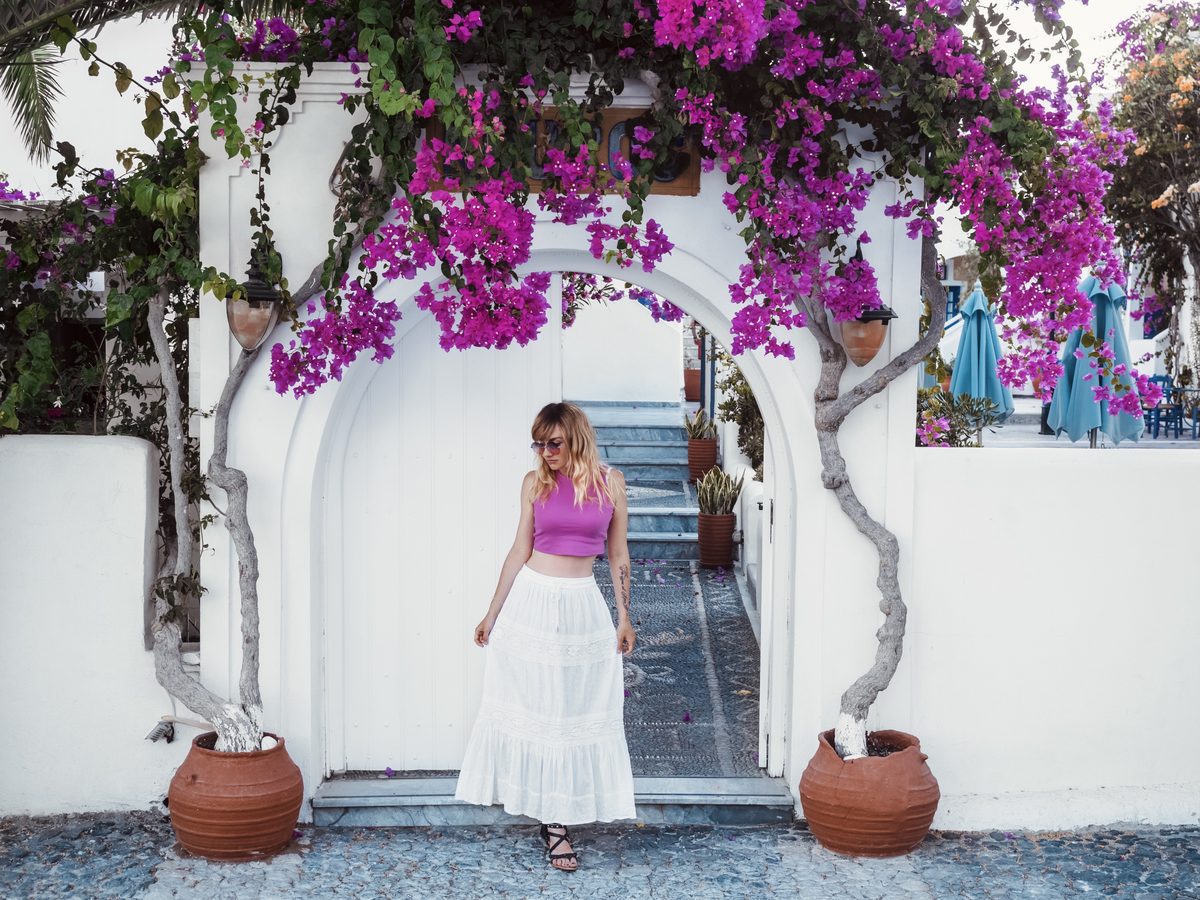
Beyond choosing the right destinations, a few consistent habits will dramatically reduce your daily spend across any region of Greece.
Eight Rules for Spending Less in Greece
- Eat where locals eat: Look for tavernas with handwritten menus and no photos. These are almost always cheaper and better.
- Book overnight ferries: A deck-class ticket saves a night’s accommodation cost while getting you to your next destination.
- Use KTEL buses on the mainland: Greece’s intercity bus network is reliable and costs a fraction of taxis or rental cars.
- Visit archaeological sites in the late afternoon: Many reduce or waive fees in the final hour before closing.
- Buy groceries at local markets: Fresh produce, olives, cheese, and bread from a laiki (street market) make incredible cheap lunches.
- Travel with a no-fee card: Avoid ATM fees by using a card with fee-free currency exchange in euros — Wise and Revolut are popular options.
- Stay longer in fewer places: Moving constantly increases ferry and transport costs. Slow travel saves money.
- Ask about weekly rates: Many guesthouses offer 10–20% discounts for stays of five nights or more, especially in shoulder season.
Getting Around Greece Without Breaking the Bank
Transportation is one of the biggest variables in any Greece travel budget. Understanding your options helps you plan smarter.
Ferry, Bus, or Flight: What Makes Sense
For island hopping, ferries are almost always cheaper than domestic flights, especially if booked two to four weeks ahead. Slow ferries cost less than high-speed catamarans — sometimes half the price — and the journey itself is part of the experience. On the mainland, KTEL buses are the budget traveler’s best friend, with routes covering nearly every town and tickets rarely exceeding $15. Domestic flights between Athens and islands like Corfu or Crete can be competitive when booked far in advance, sometimes as low as $30–$50 one-way. Compare ferries, buses, and flights to find the cheapest combination for your route.
Frequently Asked Questions
Is Greece actually affordable for budget travelers?
Yes, especially outside of the most famous islands and peak summer months. In lesser-known regions and during shoulder season, daily budgets of $60–$90 covering accommodation, food, and activities are realistic. The key is avoiding Santorini and Mykonos in July and August, where costs rival Western European capitals.
What are the best cheap Greek islands for budget travelers?
Naxos, Milos, Ikaria, Samos, Lesbos, and Syros consistently offer better value than the most famous Cyclades islands. They have excellent beaches, authentic food scenes, and accommodation that costs significantly less than Santorini or Mykonos equivalents.
When is the Greece shoulder season exactly?
The shoulder season in Greece generally runs from late April through early June and again from mid-September through October. These windows offer warm weather, open businesses, fewer crowds, and hotel rates that can be 30–50% lower than peak summer prices.
How do I get around the Greek islands cheaply?
Book standard ferries rather than high-speed catamarans whenever your schedule allows. Deck-class tickets are the cheapest option on overnight routes. Once on an island, scooter rentals ($15–$25 per day) and local buses ($2–$5 per ride) keep transportation costs manageable. Avoid taxis from ports, which charge premium rates targeting new arrivals.
Is it safe to travel off the beaten path in Greece?
Greece is consistently ranked among the safer countries in Europe for travelers. Remote areas, mountain villages, and lesser-known islands are generally very safe. Standard precautions apply — keep copies of your documents, use a travel money belt in crowded areas, and let someone know your itinerary when hiking in remote gorges like Vikos. We always travel with SafetyWing travel insurance for added peace of mind on remote adventures.
Do I need to speak Greek to travel authentically in Greece?
Not at all. English is widely spoken in tourist areas and even in many smaller villages, particularly among younger Greeks. Learning a few basic phrases — kalimera (good morning), efharisto (thank you), and parakalo (please) — is genuinely appreciated and often earns you warmer hospitality and occasionally a complimentary dessert or ouzo at the end of a meal.
Conclusion: The Real Greece Is Waiting for You
Greece off the beaten path is not a compromise — it is the version of Greece that most travelers never get to experience. From the mountain villages of Zagori to the volcanic beaches of Milos, from the all-night festivals of Ikaria to the Byzantine streets of Thessaloniki, authentic Greece travel is richer, quieter, and far more affordable than the postcard version sold to mass tourists. With smart timing, a willingness to take the slower ferry, and a habit of eating where locals eat, you can experience one of the world’s great civilizations on a budget that actually makes sense.
Ready to plan your next European adventure on a shoestring? for more destination guides, packing lists, and money-saving strategies from across the continent.